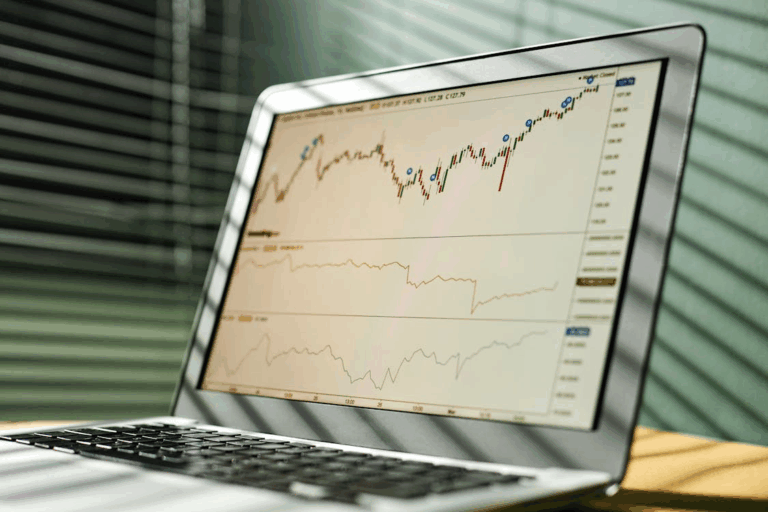
Gold remains one of the most traded commodities in the world. Despite its stability and historical value, gold prices can shift sharply based on economic data, inflation reports, and central bank policy changes.
This volatility often frustrates traders. You might have seen the price surge on an inflation announcement, only to drop the next day when U.S. bond yields rise. Without gold market research, these swings look random. However, with proper market research, traders can predict patterns and plan trades with higher confidence.
That’s why gold research for traders is not optional; it’s the difference between guessing and making informed decisions.
In this blog, you’ll learn how to use market research to build better gold trading strategies, how to read key economic indicators, and how to combine technical and fundamental data into a profitable gold trading strategy plan.
The Role of Gold Research For Traders
Gold research for traders involves gathering and studying reliable information about the forces that influence gold prices. This gold market research goes beyond chart patterns. It focuses on key drivers such as global inflation rates, central bank policies, interest rate trends, and the strength of the U.S. dollar. Each of these factors can shift investor sentiment and create measurable effects in the gold market.
Gold behaves differently from traditional equities. It reacts primarily to macroeconomic indicators rather than corporate performance. When inflation increases, investors often turn to gold as a hedge against declining currency value. In contrast, when interest rates rise, the opportunity cost of holding gold, an asset that pays no yield, also rises, leading to downward price pressure.
Effective gold market research helps traders anticipate these movements rather than respond to them. By tracking key data, such as central bank gold purchases or inflation forecasts, traders can plan entries and exits with greater confidence. Instead of chasing sudden price spikes, they trade with context, knowing what fundamental factors drive market sentiment.
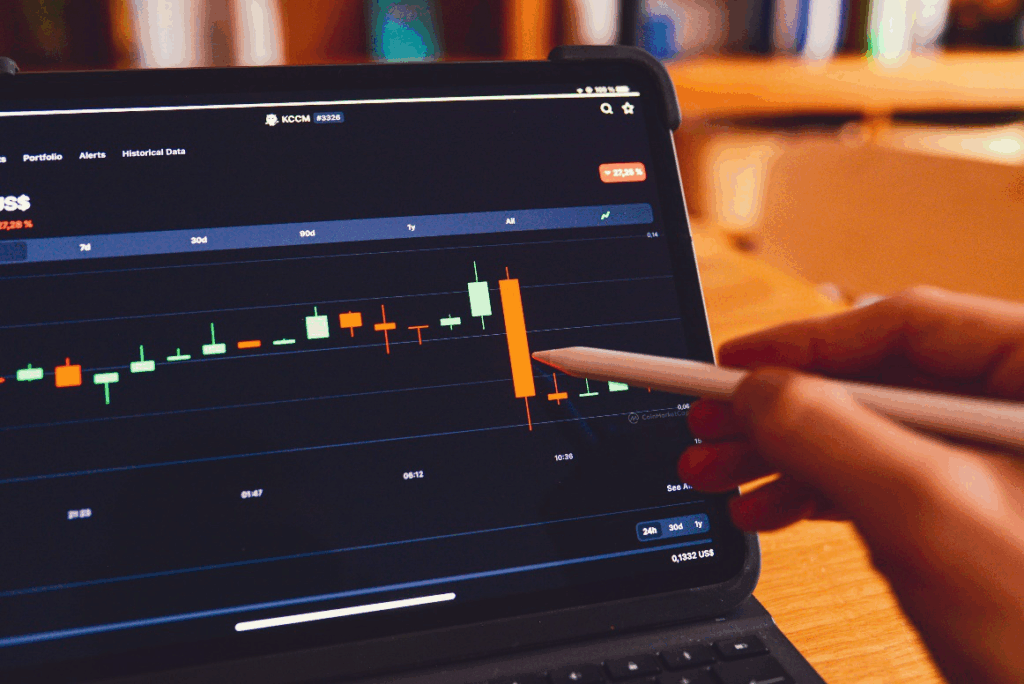
Good research helps you:
- Time your entries and exits more accurately.
- Understand long-term trends versus short-term price moves.
- Avoid emotional trading decisions.
- Plan trades around economic reports and global news.
How Economic Reports Drive Gold Prices
Economic data releases are the backbone of gold market analysis. Here are the main reports that gold traders follow and why they matter.
a. Inflation Data (CPI and PPI Reports)
Gold traditionally acts as a hedge against inflation. When the Consumer Price Index (CPI) rises, traders expect the value of fiat currencies to weaken. That often pushes gold prices higher.
However, when inflation cools, gold demand may decline as investors move back into equities and bonds. Traders monitor inflation reports from the U.S., Eurozone, and major economies for directional cues.

b. U.S. Dollar Index (DXY)
Gold and the dollar usually move in opposite directions. A strong dollar makes gold more expensive for international buyers, reducing demand. A weak dollar supports higher gold prices.
Traders use dollar index data to predict potential reversals or continuation patterns in gold.
c. Interest Rate Announcements (Federal Reserve, ECB, BOE)
The Federal Reserve’s interest rate decisions heavily influence gold prices. When the Fed raises rates, gold often falls because holding gold becomes less attractive than earning interest on cash or bonds.
When rates drop, gold tends to rally. Traders can use the Federal Open Market Committee (FOMC) calendar to plan positions before announcements.
d. Employment Reports (Nonfarm Payrolls)
Strong job growth signals economic expansion and can strengthen the dollar. That often puts downward pressure on gold. Weak job data usually has the opposite effect.
Scalpers and day traders watch the U.S. Nonfarm Payroll (NFP) report every month for high-volatility opportunities.
e. Geopolitical Events
Tensions, wars, or political instability often push gold prices up due to its status as a “safe-haven” asset. For traders, geopolitical awareness is a core part of gold research.
Building a Data-Driven Profitable Gold Trading Strategy
To build a profitable gold trading strategy, traders need to combine economic research with technical analysis.

Step 1: Gather Data Regularly
Follow reputable financial sources such as Bloomberg, Reuters, and Investing.com. Collect key data on inflation, interest rates, and global gold demand.
Step 2: Use a Gold Trading Platform with Research Tools
Select a platform that provides economic calendars, sentiment indicators, and live price feeds. Traders can use platforms like Trade Gold Online for gold market analysis.
Step 3: Define Your Timeframe
Short-term traders rely more on news-based volatility. Long-term investors focus on macroeconomic trends like inflation and monetary policy. Decide if you want to scalp, swing trade, or hold positions for weeks.
Step 4: Combine Technical and Fundamental Insights
Use moving averages, RSI, and Fibonacci levels to confirm signals that your research suggests. For instance, if inflation data points toward higher gold prices, wait for a moving average crossover on the chart before entering.
Step 5: Plan Risk and Reward
Even with good gold market research, gold can be unpredictable. Set stop losses and profit targets for every trade. A 1:2 or 1:3 risk-reward ratio helps maintain discipline.
Key Indicators Every Gold Trader Should Track
1. Inflation and CPI Data
This affects long-term price trends. Consistent inflation growth usually supports gold prices.
2. Dollar Strength (DXY Index)
Watch for reversals in the dollar index. Gold often reacts inversely on the same day.
3. Bond Yields (U.S. 10-Year Treasury)
Rising yields signal stronger confidence in the economy and can pull gold prices lower.
4. Central Bank Gold Purchases
The World Gold Council regularly publishes reports showing which countries are buying gold. Central bank demand often creates long-term support for prices.
5. ETF Holdings (SPDR Gold Shares – GLD)
ETFs provide a snapshot of investor interest in gold. An increase in ETF holdings suggests bullish sentiment.

Practical Ways to Apply Market Research to Trading
A. Trading Around Economic Releases
Gold traders often plan trades before scheduled data releases. For example, if CPI data is expected to rise, traders might buy gold ahead of the release and set tight stop-loss orders in case the data surprises.
B. Using Correlations
Gold has a strong negative correlation with the dollar and a positive correlation with inflation. Understanding these correlations helps traders plan hedging positions.
C. Seasonal Patterns in Gold
Historically, gold prices tend to rise during January–February and again in September–November due to higher demand for jewelry and investment. Researching seasonal data helps traders prepare for expected volatility.
D. Sentiment Analysis
Monitoring trader sentiment—like the Commitment of Traders (COT) report—can help you understand how institutions are positioning in gold. A heavily long market might indicate an upcoming correction.
E. Long-Term Economic Trends
If you notice global inflation staying above 3% for several quarters, it could signal a sustained bull market in gold. Market research helps traders hold positions longer with confidence.
Common Mistakes Traders Make When Ignoring Research
- Trading on emotion– Buying or selling gold based on fear or hype instead of data leads to poor timing.
- Ignoring macroeconomic conditions– Focusing only on charts without understanding market drivers causes missed opportunities.
- Using outdated information– Gold reacts to real-time news. Traders who rely on old reports often enter trades too late.
- Not tracking central bank policies– Interest rate changes are among the biggest triggers of gold volatility.
- Overleveraging– Without a clear view of market direction, traders risk heavy losses when using high leverage.
By staying informed and consistent with research, traders reduce risk and increase their chances of achieving a profitable gold trading strategy.

How to Turn Research Into Actionable Trade Plans
1. Create a Weekly Research Routine
Start every week by reviewing:
- Economic calendars
- Federal Reserve and central bank updates
- Dollar and bond market trends
2. Identify Trade Triggers
A trade trigger could be a strong CPI report, a dollar breakdown, or a central bank gold purchase. Match this event with technical confirmation.
3. Use Trading Journals
Keep a record of why you entered and exited each gold trade. Over time, you’ll see patterns in how economic reports affect your results.
4. Back-Test Your Strategy
Test your strategy against past gold price data. Check how gold reacted to previous rate hikes or inflation spikes. This gives you confidence in future trades.
5. Follow Reputable Gold Market Research Sources
Authentic websites publish gold market insights that help traders align with global trends.
Combining Technical Tools with Gold Market Research
Market research gives you the “why” behind the gold price movement. Technical analysis gives you the “when.” Combining both creates a more complete strategy.
For example:
If inflation data points upward and gold is trading near a 50-day moving average support, that’s a strong signal to buy.
If bond yields rise and gold breaks below key support, that may signal a short opportunity.
Technical tools to use:
- Moving Averages: Identify trend direction.
- RSI (Relative Strength Index): Measures overbought or oversold conditions.
- MACD(Moving Average Convergence Divergence): Spot trend reversals.
- Fibonacci Retracement: Find price pullback zones.
These tools, combined with gold market research, help refine entry and exit timing for better results.
Building a Profitable Gold Trading Strategy from Research
Once you’ve gathered and analyzed your market data, turn your insights into a structured plan:
- Set Clear Objectives: Decide if you want a steady income or long-term growth.
- Determine Entry Rules: For example, buy gold when CPI rises and RSIcrosses above 50.
- Set Exit Conditions: Take profit when price hits resistance or when new data reverses the trend.
- Apply Money Management: Never risk more than 2% of your capital per trade.
- Review and Adjust: Monitor how your research-based trades perform over time.
This approach ensures that every decision is supported by research, not emotion.
Staying Ahead with Continuous Gold Market Research
Gold trading changes as global conditions shift. Inflation cycles, geopolitical events, and currency fluctuations keep markets moving. That’s why consistent research is essential. Traders who stay informed can adapt their gold trading strategies to current conditions and avoid reacting emotionally to market noise. In a market as volatile as gold, informed timing often separates consistent gains from costly mistakes.
Subscribe to expert gold market insights, track data from gold trading platforms like Trade Gold Online, and follow monetary policy updates. With consistent information flow, you’ll always know what drives gold prices and how to adjust your gold trading strategies accordingly.
Take Informed Action with Gold Research For Traders From Trade Gold Online
At Trade Gold Online, we help traders use real-time gold market research and analysis to make informed trading decisions. Our gold trading platform offers market reports, technical indicators, and insights from financial analysts, all designed to help you refine your gold trading strategies.
Start your journey toward informed trading today. Contact us today to sign up at Trade Gold Online to access accurate data, trusted gold trading brokers, and tools to build your profitable gold trading strategy.